Can I
charge
there?
One app that answers that before you drive all the way there. Every network, the real status, your car and the route.

on one layer

















Four apps open for a single question.
Each network publishes its own map and none of them shows the whole street. The driver ends up being the aggregator, phone in hand, stopped at a red light.
One app per network.
One partial map per app.
Blink shows you the Blinks. ChargePoint, the ChargePoints. You switch apps, search again, compare again — and the status you see was published by the network, not by someone who was there.
 With Voltiway
One layer with all of them.
And this morning's status.
It's not where it is.
It's whether you can charge there.
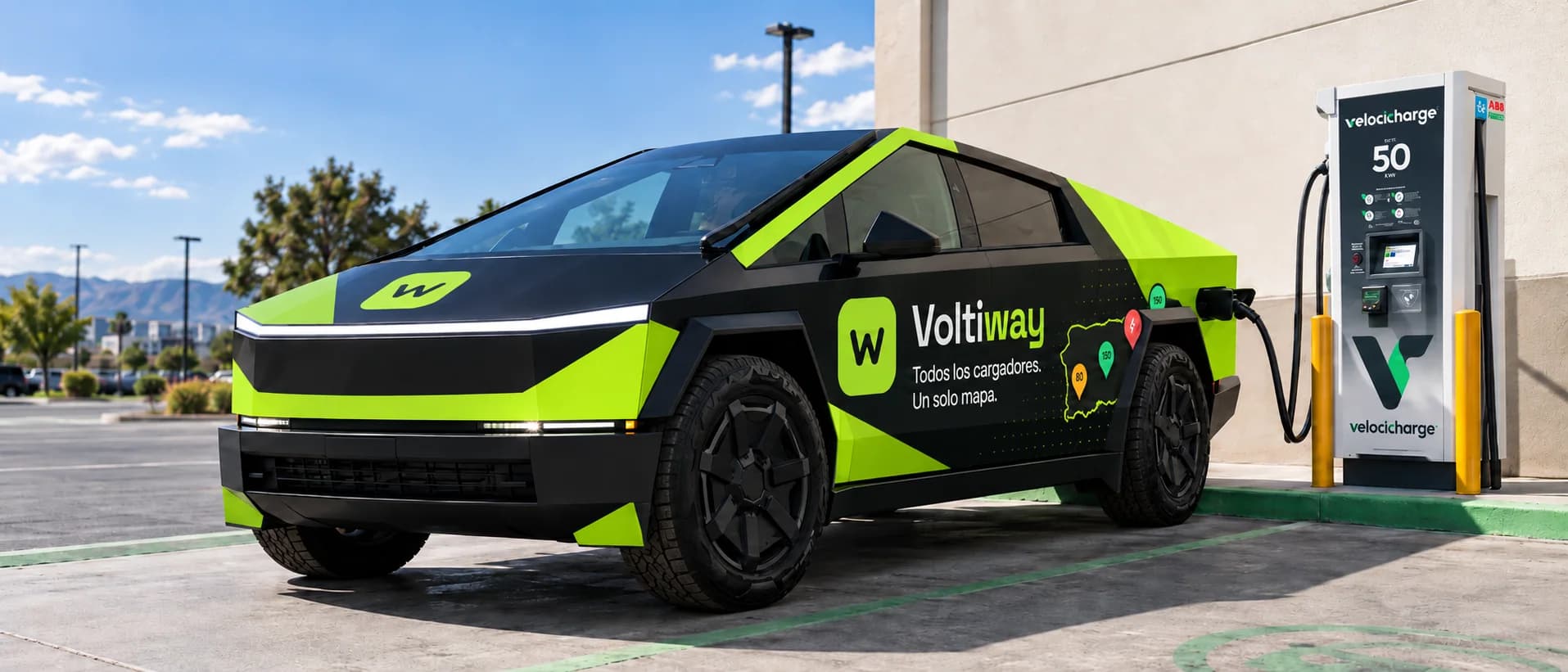
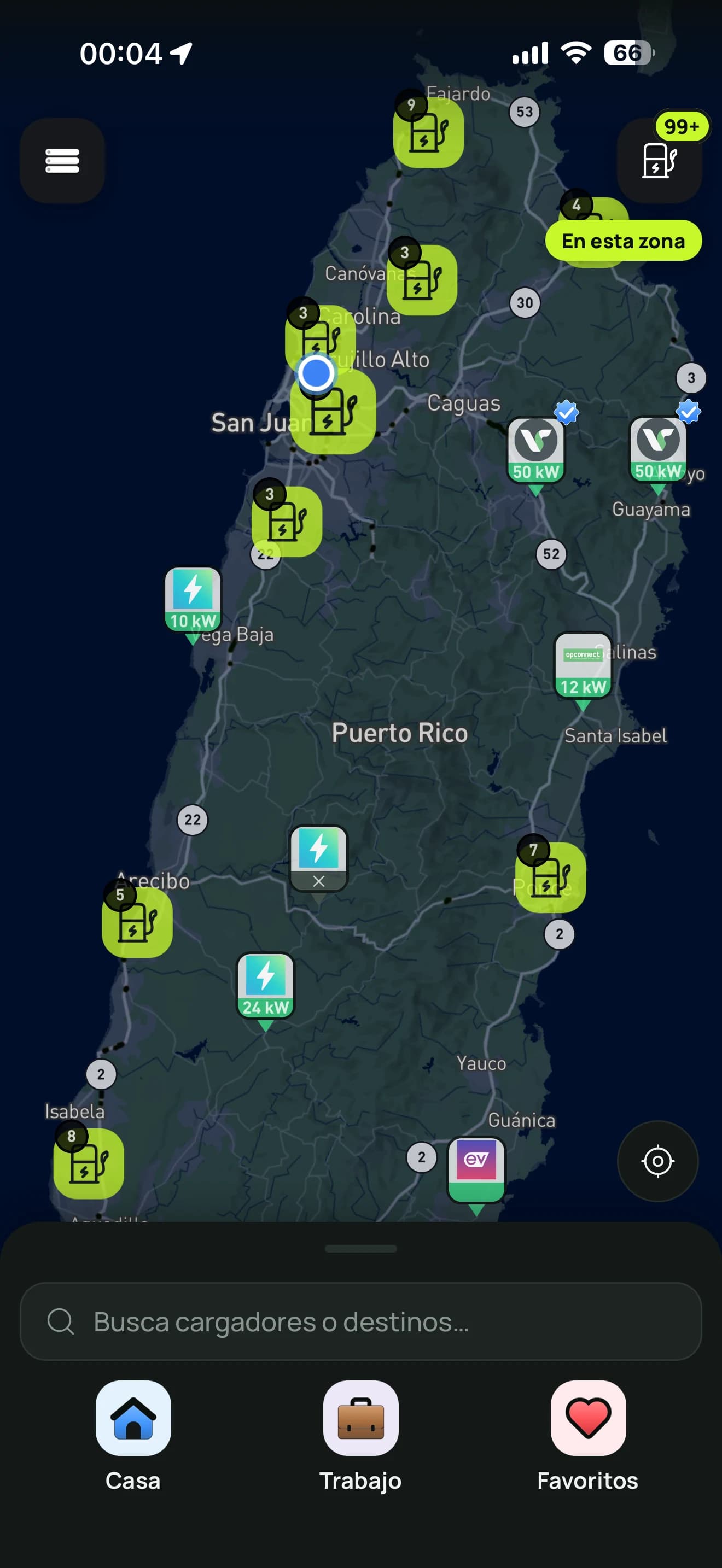
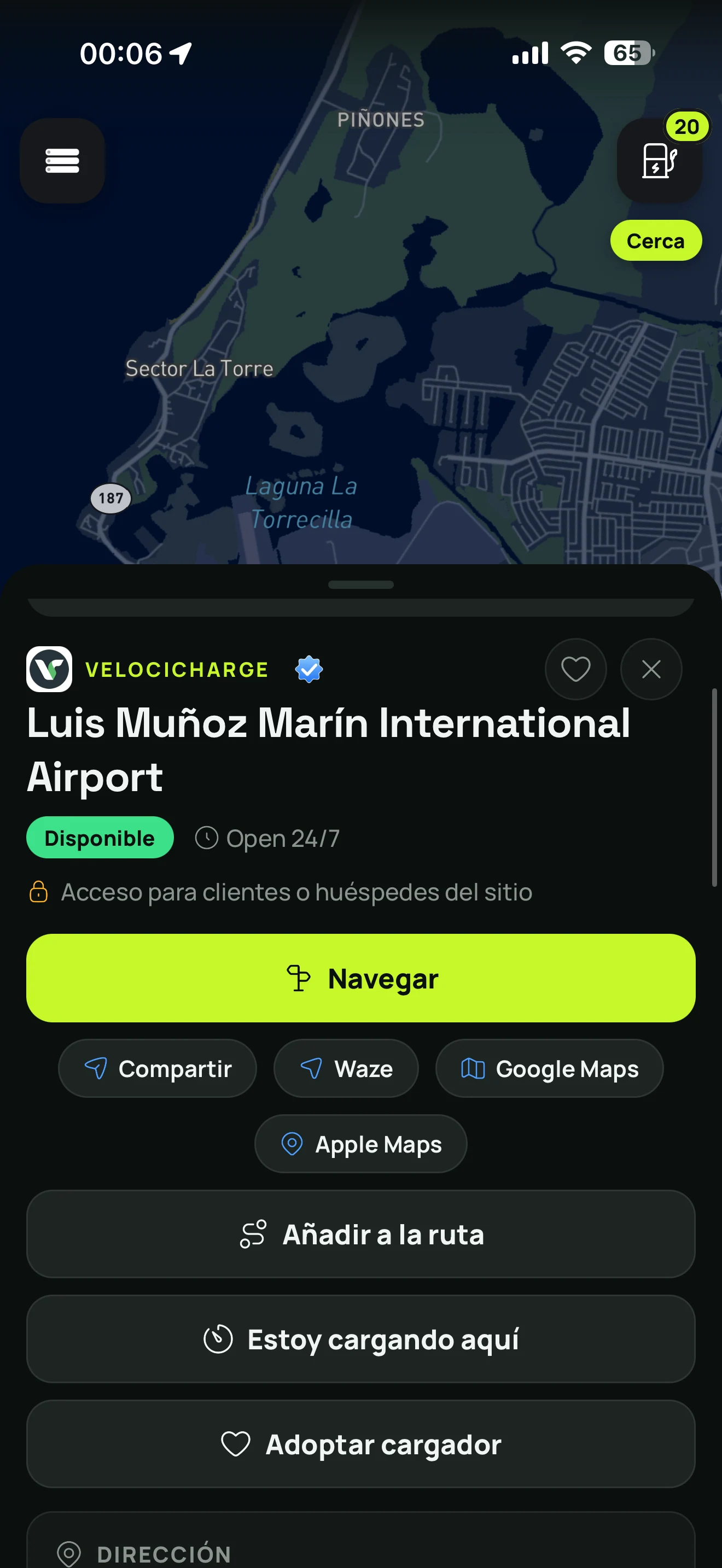
Every public charger on a single layer, regardless of the network. Tap a pin and see power, connector, price, who reported it and when.
Status — Available ≠ working.
Charging — Fits your car.
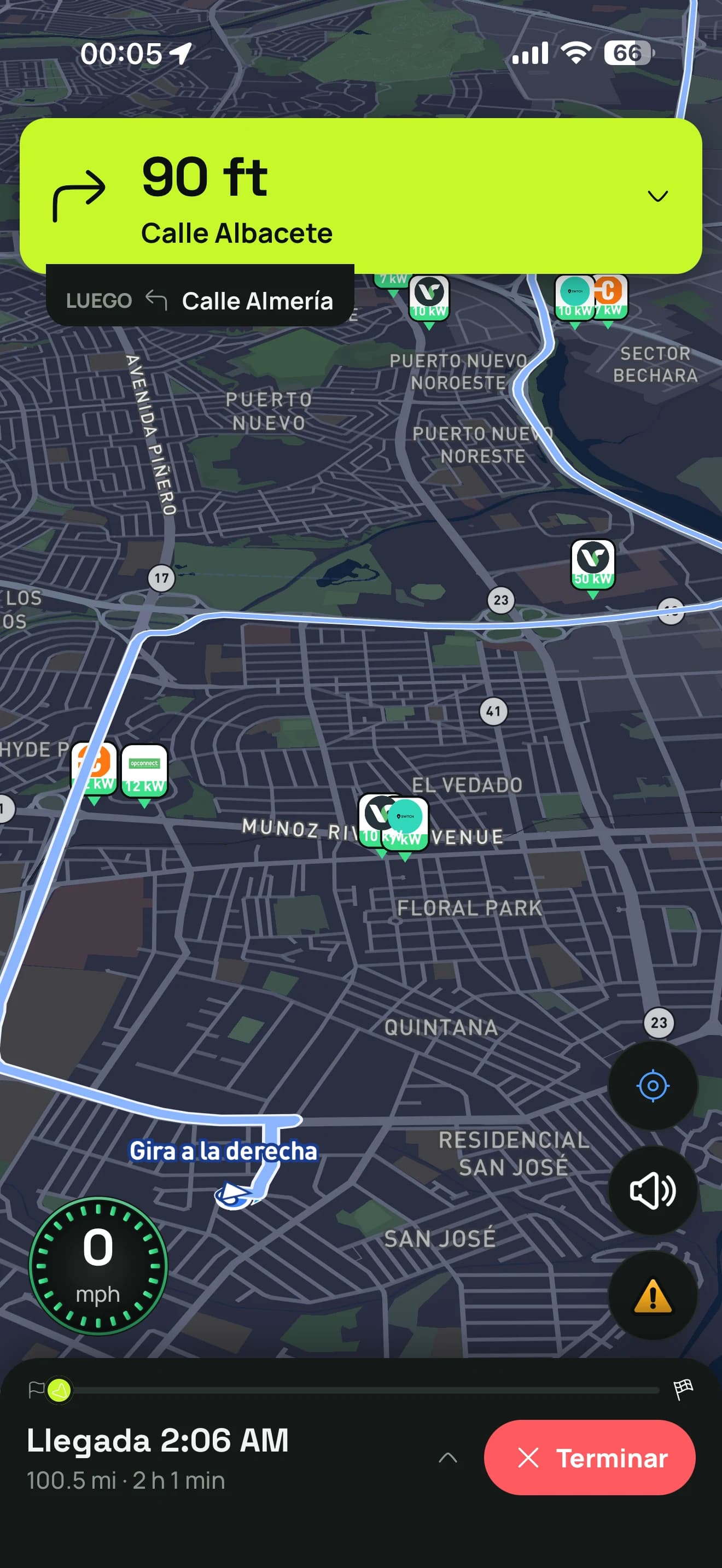
Getting there — From pin to route.
A trip isn't finding the spot.
It's arriving with battery.
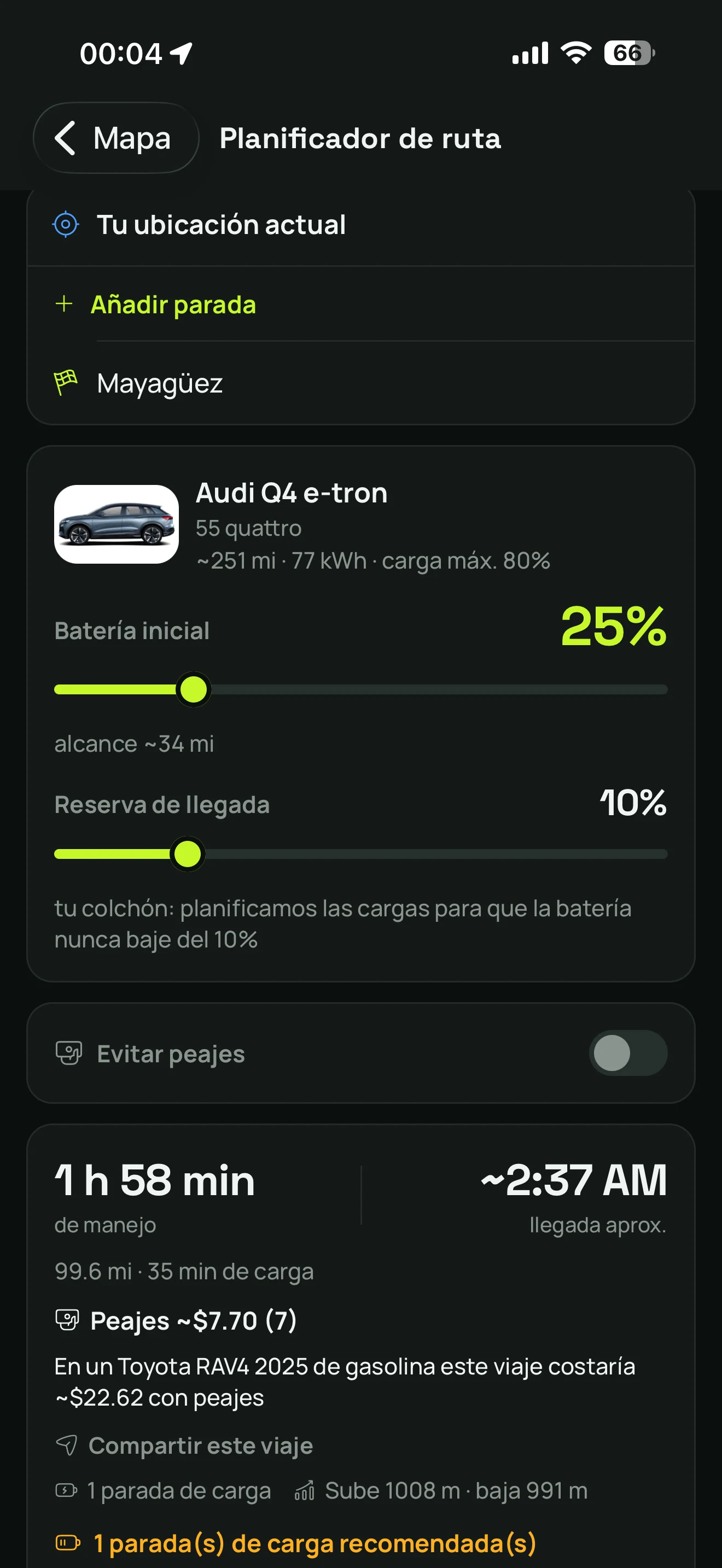
You say which car you have and how much battery is left. The app tells you whether you make it, where to stop, what time you reach each stop and what it costs — with real traffic, not the map's average.
The status comes from whoever got there.
Waze-style check-ins: working, broken or busy, with a fresh photo and the price that was actually paid. No API has that data — and it's what decides whether you drive over.
the next driver the trip.

96 models.
You choose once.
With your car saved, the map filters the connectors that work for you and the planner calculates with your real battery. Tesla, BYD, Hyundai, Kia, Audi, BMW, Chevrolet, Nissan, Ford and more.
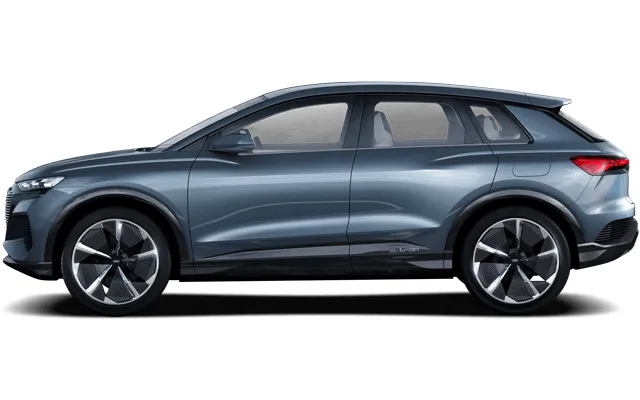
Q4 e-tron
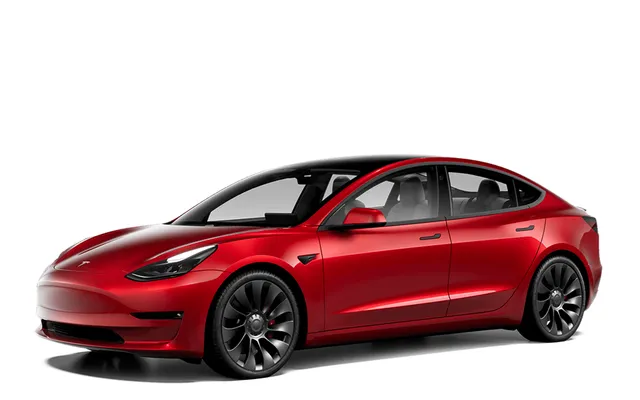
Model 3
Dolphin
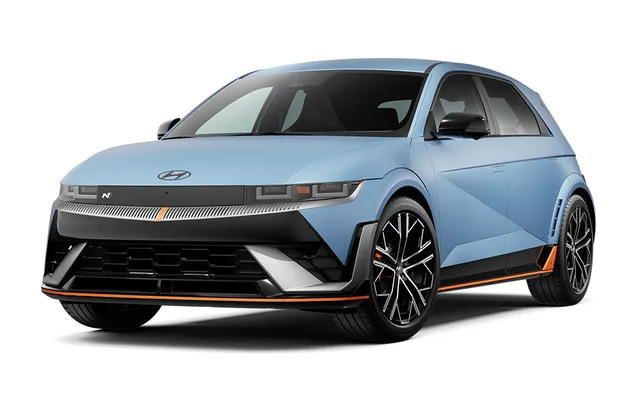
Ioniq 5
What other apps don't tell you.
Compared with each operator network's app and with the global aggregators that weren't built here.
Voltiwaynetwork's app
aggregators
An app made somewhere else doesn't think about the blackout.
Voltiway was made in Puerto Rico and in Colombia. It's not a translation or a list of regional tweaks: it's the difference between serving you here and serving you almost.
Zone outage
Two "no power" reports nearby and within the same window: the zone gets flagged. It never marks the charger out of service — during a blackout, the one that does have power is the scarcest resource.
Benefits by law
Pico y placa in Colombia, excise tax in Puerto Rico — each benefit with its statute cited, official link and date. In Bogotá you register; in Medellín you don't have to. The app tells you.
See the benefitsCompare it with home
CarPlay and Android Auto
Map, nearby, saved and your car on the car screen. It starts with the phone locked and hands navigation off to Apple Maps, Google Maps or Waze.
Two countries. One map.
Your network, on the map where your customers already are.
Your chargers, verified.
Verified-network seal on the pin and on the detail page. Your logo, your rates, your hours.
Respond to reports.
A "broken" reaches you, with a photo and a time. You fix it and the map reflects it.
No cost to be listed.
Publishing your network on the map is free. Always. It gets there through open data or because you publish it.

Free. No ads.
Get it today.
On iPhone it downloads today. On Android we're still in an invite-only closed beta in Puerto Rico and Colombia: the button takes you to request access, not to Google Play. We'd rather say it than fake it.